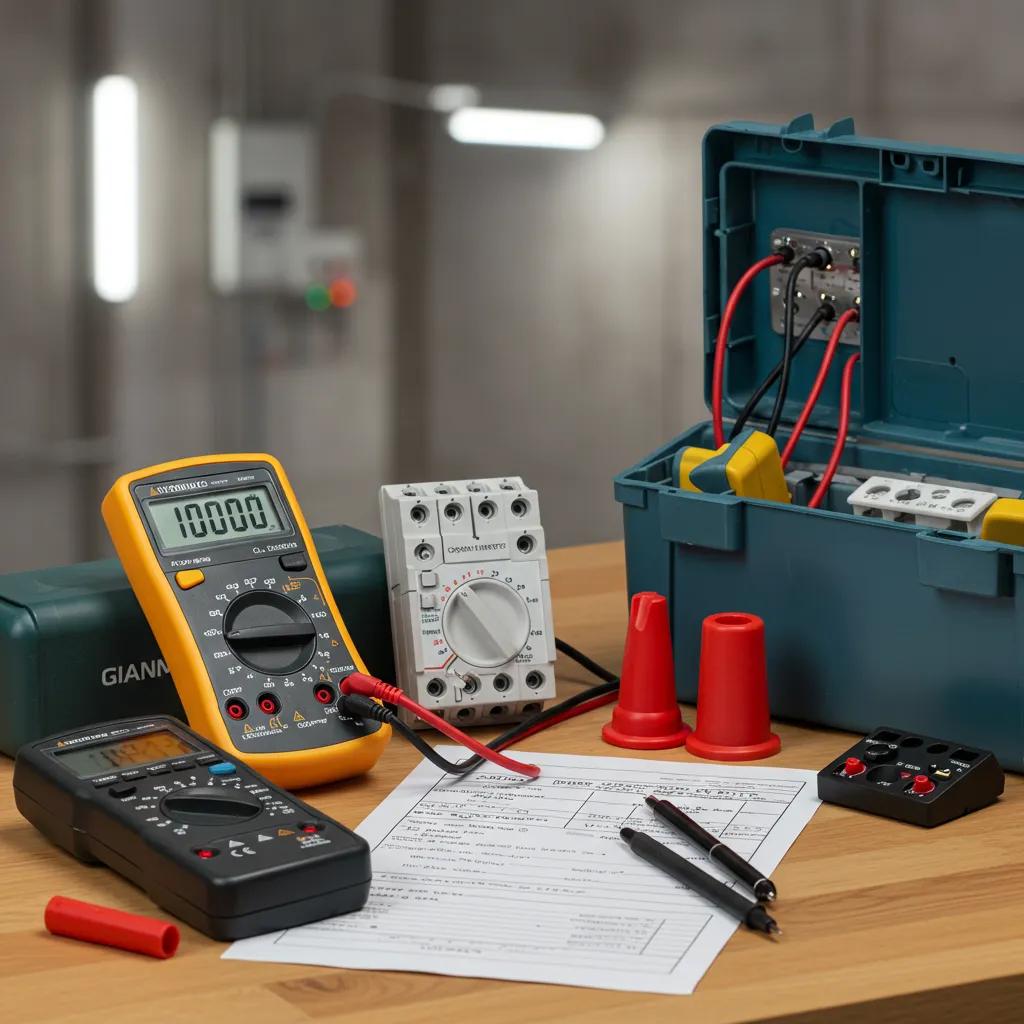
The electrical safety standards for the private rented sector in England came into force on 1 June 2020 and apply to all new tenancies from 1 July 2020 and all existing tenancies from 1 April 2021. The regulation sets out new rules for landlords to ensure all fixed electrical installations are safe and maintained correctly.
What Are the Electrical Safety Standards for Landlords in England?
These questions cover the basics and should give you a good idea of what you need to do as a landlord. To fully comply with the regulation with confidence, we recommend turning to your ARLA Propertymark Protected letting agent for further guidance.
What Do the Electrical Safety Standards Require Landlords to Do?
All fixed electrical cables and equipment will need to be inspected and tested by a qualified person in accordance with the 18th edition of the wiring regulations.
This includes appliances that are fixed directly to the electrical supply, such as showers or fitted kitchen appliances. Once a qualified person has carried out their electrical safety inspection, they will provide an electrical safety certificate for landlords, formally known as an Electrical Installation Safety Report.
What Is an EICR (Electrical Installation Condition Report)?
This report includes the results of the inspection and test carried out, and will state the date for the next inspection and test. If you are wondering, do I need a new EICR for a new tenant, the answer depends on the validity of your current report.
If it is still within the five years and satisfactory, you are not required to commission a new one, but you must provide a copy of the existing report to your new tenant. Typically, an Electrical Installation Condition Report (EICR) is the type of safety report you will receive, but there are alternatives.
Which Tenancies Are Covered by the Electrical Safety Standards?
All tenancies. This includes:
- Assured Shorthold Tenancies
- Assured Tenancies
- Licences to occupy
- Secure Tenancies
- Regulated Tenancies
- Rent act tenancies
- Rent agriculture tenancies
- Non-housing Act tenancies
Examples of excluded tenancies are:
- Social housing
- Long leases
- Student halls of residence
- Hostels and refuges
- Care homes
- Hospitals and hospices
- Shared accommodation with a landlord or landlord’s family
Who Counts as a Qualified Person to Carry Out Electrical Safety Tests for Landlords?
Someone competent to undertake the inspection, testing and any remedial work in accordance with the electrical safety regulations. Usually this person will be part of a competent persons scheme, for example NICEIC or NAPIT.
What Must Landlords Do Once They Have the EICR?
Once you have the report, you must:
- Supply a copy to each existing tenant of the property within 28 days of the inspection and test
- Supply a copy of the most recent report to any new tenant before they move in
- Supply a copy of the most recent report to any prospective tenant within 28 days of receiving the request
- Retain a copy of the report and give it to the qualified person carrying out the next inspection
- Supply a copy to the local authority within seven days when requested
How Long Does an EICR Last? The 5-Year Rule Explained.
Under the regulations, electrical testing for landlords is a legal obligation, and every fixed electrical installation at the property must be inspected and tested at least every five years by a qualified person.
What Happens If Remedial Work Is Required After an Electrical Inspection?
This is called remedial work and should be carried out by a qualified person within 28 days of the report, or the period specified in the report if less than 28 days.
Once completed, you should receive written confirmation from the qualified person that the remedial work has been carried out. This will then need to be sent with a copy of the report to the existing tenant and your local housing authority.
Does an Electrical Installation Need to Meet British Standard BS7671 (18th Edition Wiring Regulations)?
No, not if it is still deemed to be safe. Landlords with existing reports should check these reports and contact the inspector in order to decide whether the electrical installation complies with electrical safety standards. Sometimes, electricians do not issue 5-year Satisfactory Certificates; they only issue 3, 2 or even 1-year certificates – so worth checking the expiry date.
If an Existing Certificate Is Valid for 10 Years, Is a 5-Year EICR Still Required?
If an existing certificate was issued more than five years ago, regardless of whether it is valid for ten years, it will not be applicable to these regulations. The EICR certificate is a legal requirement for landlords. Consequently, to comply with the electrical safety standards, the existing EICR must be less than five years old (dated back five years from when the tenancy agreement was signed).
What Are the Financial Penalties for Non-Compliance with Electrical Safety Standards?
Local authorities can issue a fine of up to £30,000, increasing to £40,000 from 01/05/26. Before imposing a financial penalty, the local authority must serve a Notice of Intent within six months from when the landlord is in breach, outlining the amount, reasons and right to appeal. Failing to meet legal obligations can also make it more difficult to regain possession of your property, so landlords should understand the landlord eviction rules and legal process.